07.09.23–28.10.23
STILL LIFE
Notes on Exhibition
Art conversations are simpler when they are subjected the dichotomy of versus or against. Press releases are often peppered with these binary buzz words. The more we are told to scrutinise between reality/fiction, subjective/ objective, ontological/phenomenological, left/right, 0s/1s, the less we understand the reading of a work in all its facets.
To see, first is to understanding seeing.* To observe, first we need to establish the process of observing: to dissect, to put back together, to let exist the “thing” as a whole separate from our understanding. It might be better to see something, that “thing”, outside of our knowledge, to give it form by letting it be formless, and to define it by giving it nuance. Like a world that is both north AND south, that something is good AND bad, that it is not a neither nor but a subtle shift in both, of life and of death.
So we look over and over again. And this time we look at the still-life. Stilleven, la nature morte, stilleben, 静物, still life . One idea in many forms. In one language the emphasis is on silence, in another death; of stoppage in time to some, and a memento arrangement of objects for most. It seems that still life is a combination of ideas after all. One part is in the thinking of time (memoric), another is of living (present).
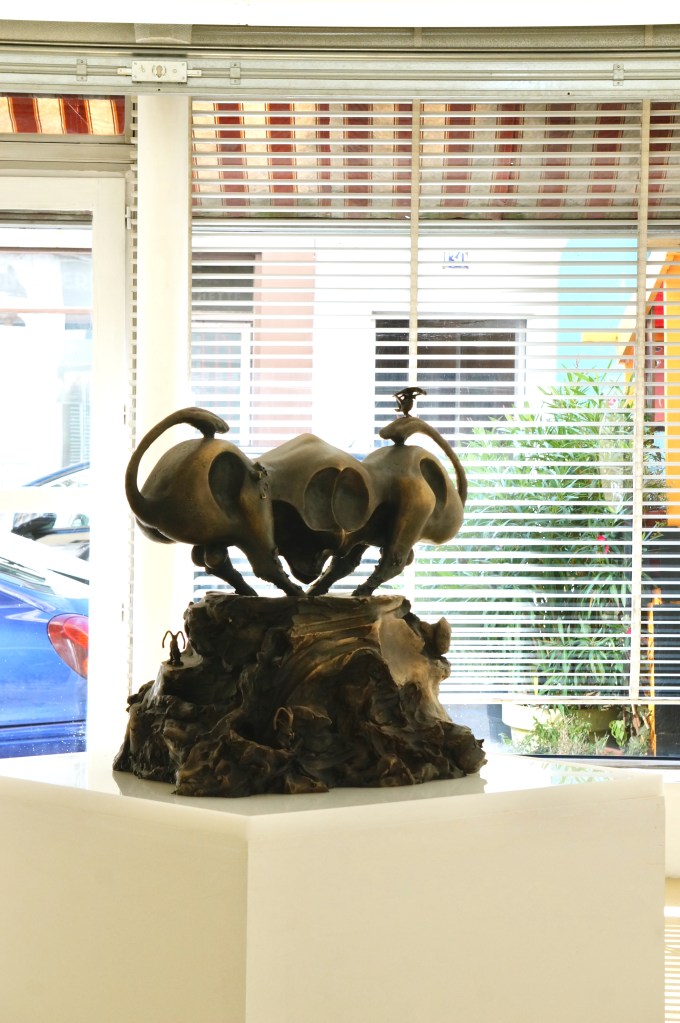
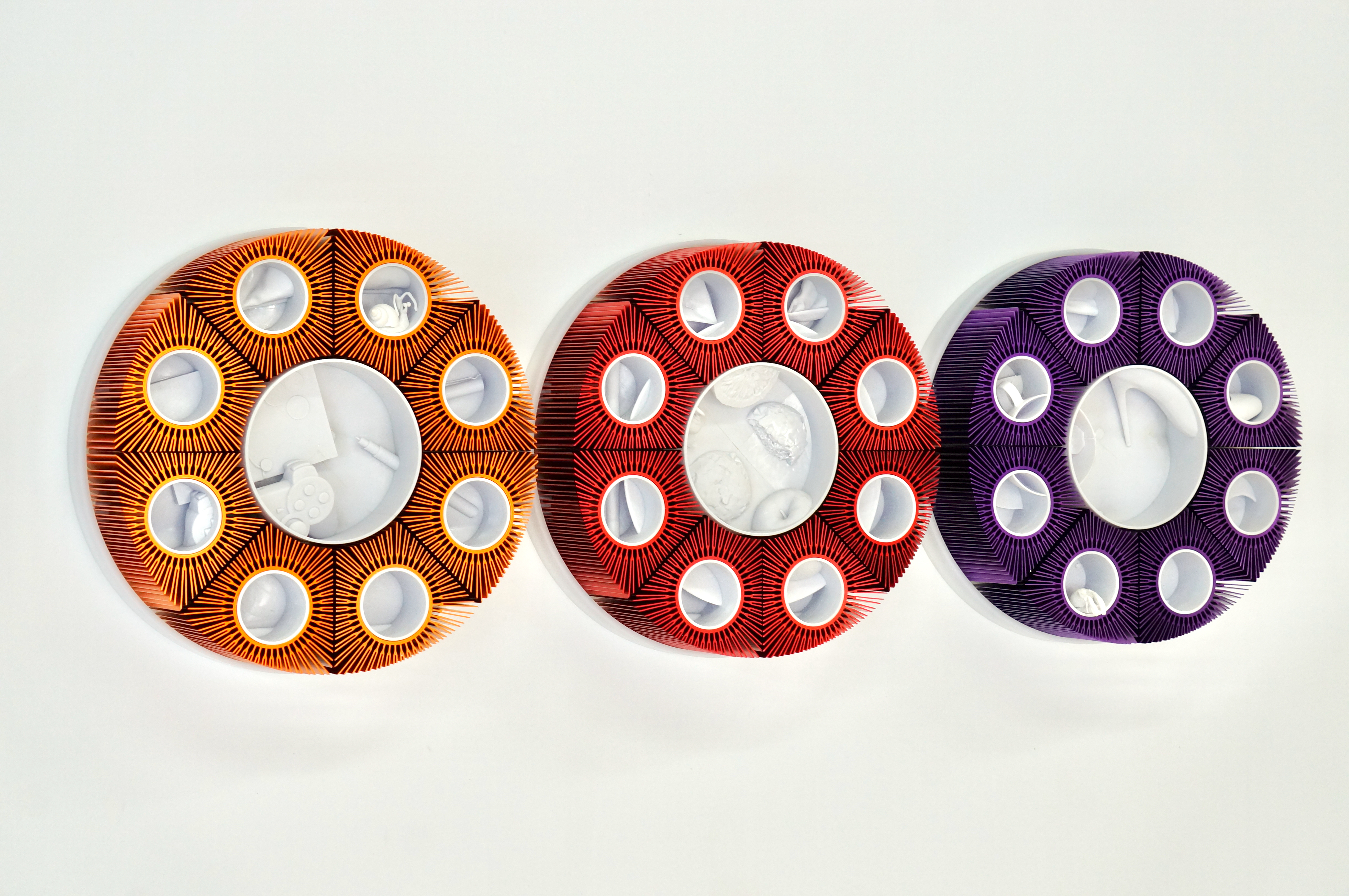
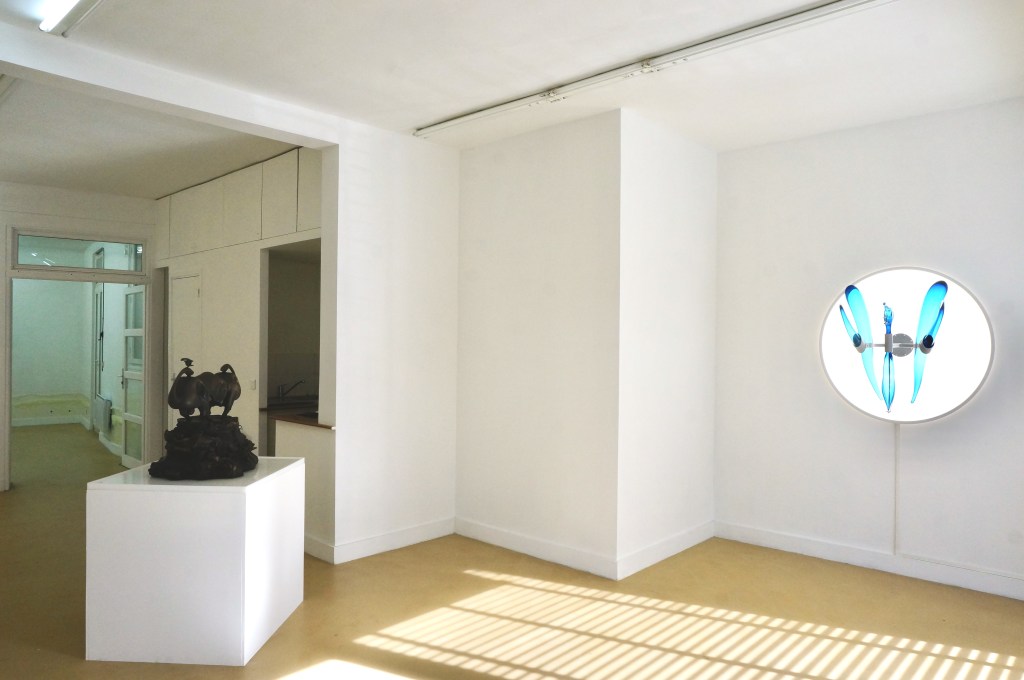
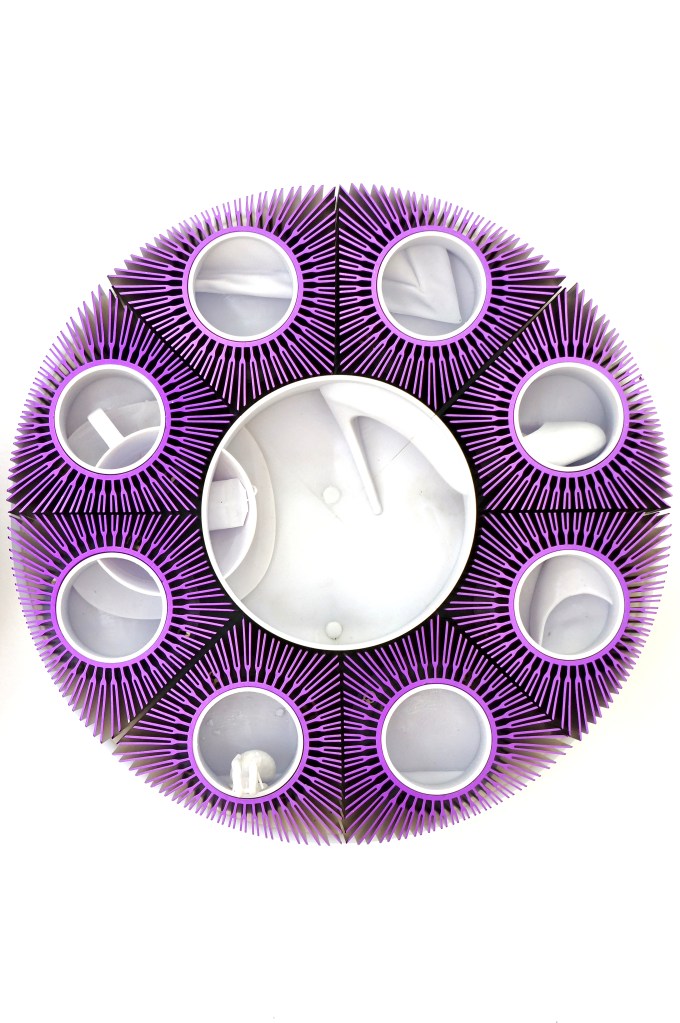
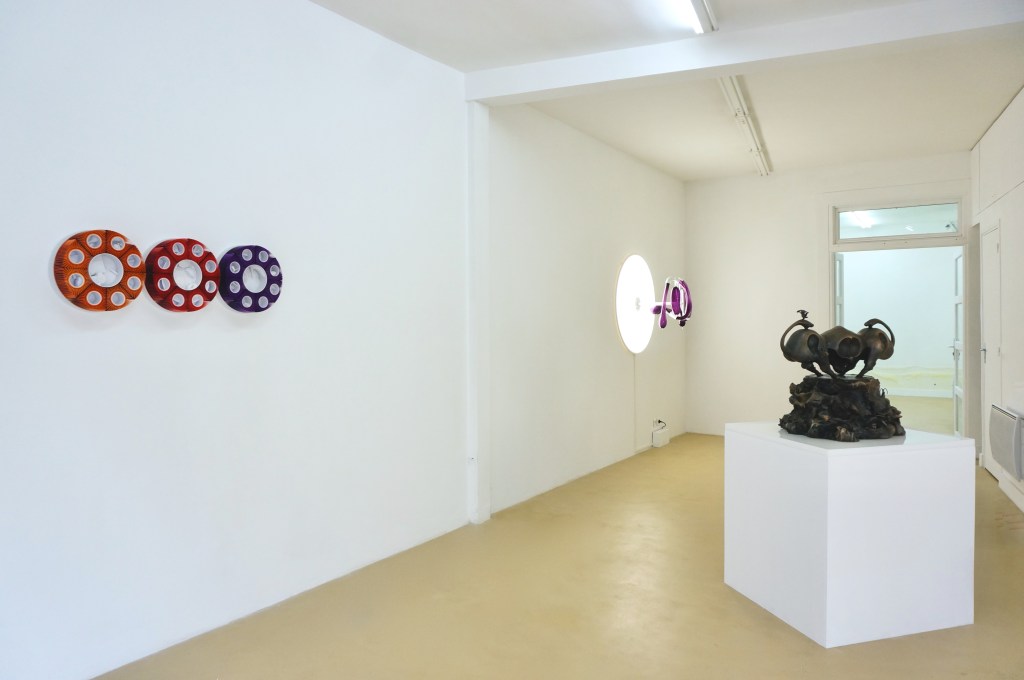
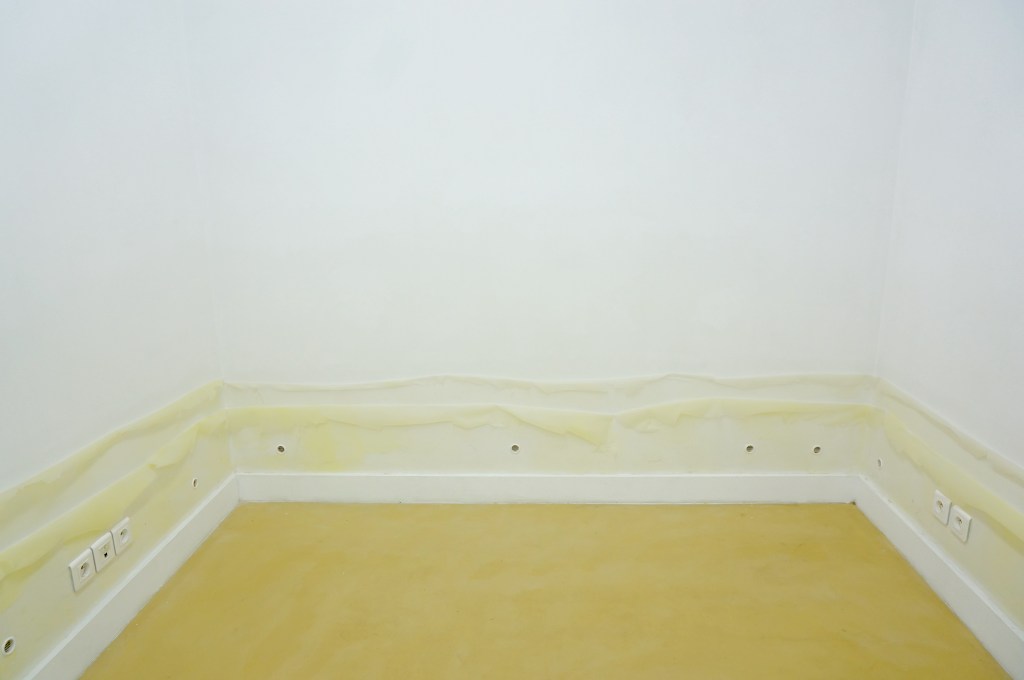
What is in this exhibition is Holen’s attempt at pulling this idea apart, autopsying it, and putting it back together. He examines the still-life’s plasticity, but more importantly it’s malleability, positing where a still-life is still indeed a still life.
–Joseph Tang
 galeriejosephtang.com